
Career change
From hotel front desk to bookkeeping: test the work first
Turn hotel front-desk experience into a bookkeeping example, then practise matching fictional card payouts and use a two-week plan to check entry requirements.
Read the guideExplore. Understand. Plan.
Practical guides for exploring your options, understanding your experience and making thoughtful career decisions.
Ideas you can put to work
Career change
Turn hotel front-desk experience into a bookkeeping example, then practise matching fictional card payouts and use a two-week plan to check entry requirements.
Read the guide
HVAC & building controls
Compare HVAC service, building controls and commissioning by deciding what to verify when a classroom feels cold and the dashboard reading is out of date.
Read the guide
Purchasing and procurement
Try a fictional supplier comparison. Check the real total, delivery deadlines and a missing specification before recommending a quote.
Read the guide
Healthcare careers
Try an inventory exercise with fictional training supplies, then check what US employers, state pharmacy boards and credential providers expect.
Read the guide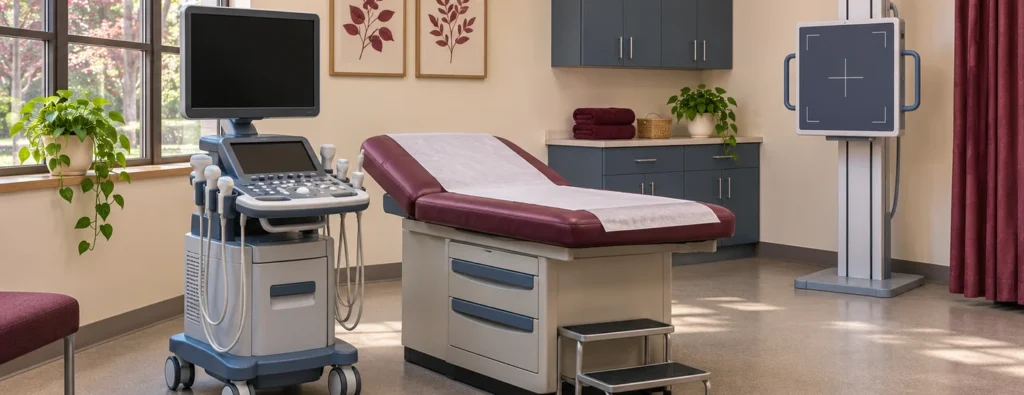
Medical imaging careers
Compare day-to-day work in two US imaging careers, then use a fictional placement timetable to check travel, lost work hours and questions to ask before enrolling.
Read the guide
Occupational health & safety
Try a fictional workplace-safety case. Turn a short site visit, two worker reports and a zero-injury count into a clear note, then compare US technician and specialist roles.
Read the guide
Optical careers
Compare dispensing and optical lab work by tracing a fictional glasses order from the lab’s final check to a customer’s pickup appointment.
Read the guide
Surveying and mapping
Try a fictional trail-map handoff. Compare two field records, write a review note and see what to ask about surveying and mapping jobs.
Read the guide
Language careers
Compare written translation and live interpreting through a fictional venue change. Practise asking for clarification and conveying uncertainty.
Read the guide
Health information careers
Compare three fictional clinic records, write a clarification note and find out what to check before choosing medical records or coding training in the US.
Read the guide
Water utilities
Review four fictional shift records, write a short handoff and use a real US vacancy to check training, licensing and shift expectations.
Read the guide
Insurance careers
Investigate two sides of insurance work with a fictional craft market. Write an underwriting referral and a claims handover, then use the worked notes to compare actual vacancies.
Read the guideUsing Career360
Understand the work, check the evidence and choose a practical next step. Coverage varies by career and country.
01 · Discover
Start with the activities you enjoy and the problems you want to solve. Explore a few directions before choosing where to focus.
Explore my interests →02 · Understand
Compare the work, skills and available evidence. Keep the source, location and period beside each observation.
Compare careers →03 · Plan
Save the careers that interest you, keep a comparison and set a goal or milestone. Your plan can change as you learn.
Sign in to plan →A clearer picture
Each section has its own source, location and period. Read those details before using an observation for a decision.
A specific career profile describes a named role. An occupation group uses an ISCO-08 classification to bring related work together. A group statistic or skill does not automatically apply to every career within it.
On a career profile, your country choice applies to each evidence section separately. Salary evidence may be available while learning or entry guidance is still unavailable. The profile’s original source-country label remains relevant after a location change.
“No reviewed evidence” describes what is available in that view. It does not establish that a career has no opportunities or that it is unsuitable for you. Check the stated country, jurisdiction and population for every source.
Career skill ratings describe the work covered by their source. Your private My skills inventory reflects what you choose to record about yourself. Keep personal familiarity separate from occupational importance and level ratings.
Neither a source rating nor a self-reported skill verifies your qualifications or establishes a personal job-match score.
A mean and a median are different measures. Read the population, period, currency and pay basis, such as annual gross pay, alongside the amount and any percentile labels.
Amounts stay in their source currency. An observation does not predict your individual offer or show how your pay will change with experience.
Entry overviews and programme pages have their own geographic scope. Check the current requirements with the relevant regulator or education provider for the place where you intend to study or work.
A programme’s presence in the catalogue does not confirm admission, licensing, recognition elsewhere or employment. Review the cited conditions and any information that remains unconfirmed.
Your plan keeps your shortlist, saved comparisons, next-step goal and milestones together in your account. Saved comparisons reopen current published information, so their available evidence can change.
You mark your own milestone progress. Completion is self-reported. Optional location and career-stage preferences can be changed in My account.
For account questions or a privacy request, use the Contact form.